Pencak Silat, an ancient and captivating martial art form, has a storied history that weaves together self-defense, cultural expression, and physical prowess. Originating from the diverse archipelago of Southeast Asia, this martial art has captured the hearts and minds of practitioners and enthusiasts worldwide. In this comprehensive article, we will delve into the origins, techniques, cultural significance, and modern relevance of Pencak Silat.
The Origins of Pencak Silat

Pencak Silat’s origins can be traced back centuries to the Malay archipelago, encompassing modern-day Indonesia, Malaysia, Singapore, Brunei, and the Philippines. With a name derived from the Javanese words “pencak,” meaning performance, and “silat,” meaning fight or self-defense, the art form embodies a harmonious blend of physical combat and artistic expression.
Historical Evolution and Influence

Throughout history, Pencak Silat evolved through interactions with diverse cultures, each leaving their mark on the art’s techniques and philosophy. From the Indian influence on hand gestures and body movements to Chinese contributions in the form of weaponry and combat strategies, Pencak Silat stands as a testament to the region’s rich cultural exchange.
Techniques and Styles

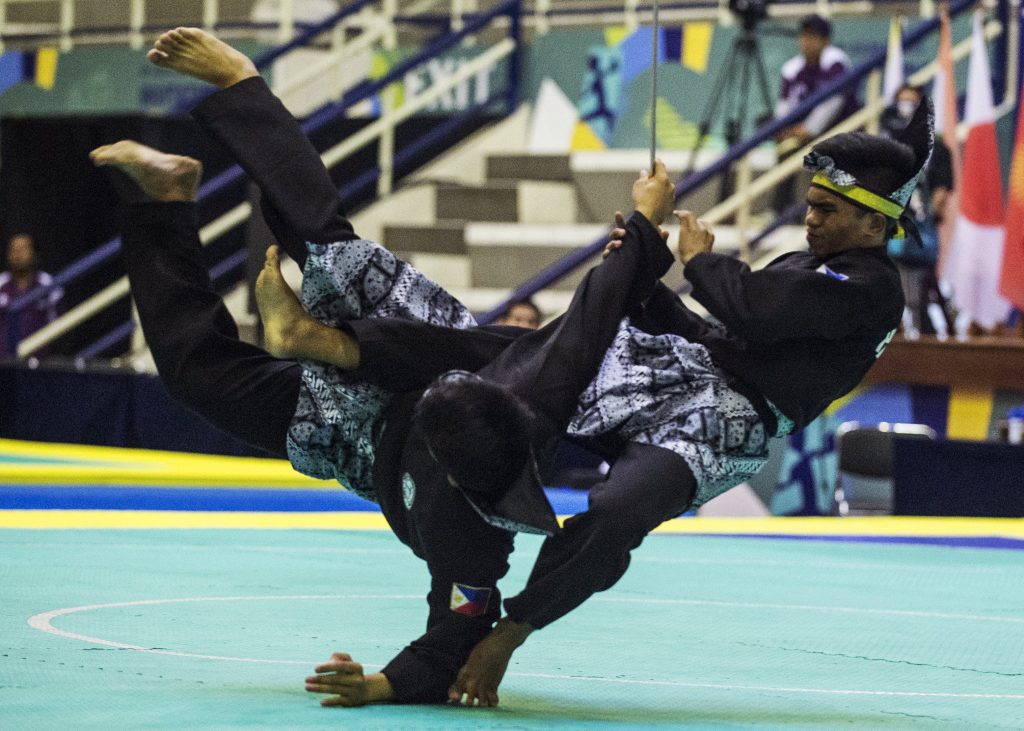
Pencak Silat encompasses a wide array of techniques that combine striking, grappling, joint locks, throws, and weaponry. The art is divided into numerous styles, each reflecting the cultural heritage and philosophy of its origin. Some styles emphasize fluid, dance-like movements, while others focus on swift and precise strikes. The diversity of techniques within Pencak Silat makes it a versatile martial art suitable for various combat scenarios.
Cultural Significance

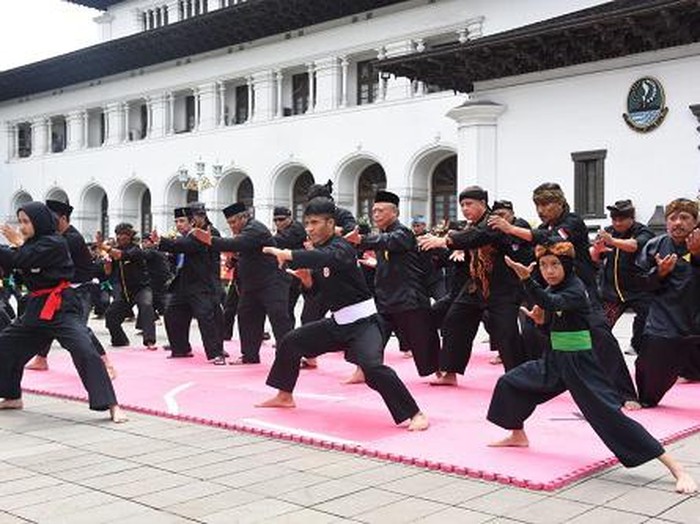
Beyond its physical aspects, Pencak Silat carries immense cultural significance. Traditionally performed during celebrations and rituals, the art form encapsulates the values, beliefs, and heritage of Southeast Asian communities. The intricate movements, often resembling graceful dances, not only showcase physical prowess but also convey the practitioner’s connection to their cultural roots.
Philosophy and Spirituality
Pencak Silat’s philosophy extends beyond combat techniques. It emphasizes the cultivation of inner strength, discipline, and mindfulness. Practitioners are encouraged to develop a strong sense of self-awareness and respect for their surroundings. The spiritual dimension of Pencak Silat is evident in its emphasis on balance and harmony, both within the practitioner and in their interactions with the world.
Modern Relevance and Global Spread

In the modern era, Pencak Silat has transcended its regional boundaries and gained international recognition. Its inclusion in events such as the Southeast Asian Games and the Asian Games has contributed to its popularity. Additionally, Pencak Silat’s practical self-defense applications have led to its adoption by military and law enforcement agencies worldwide.
Training and Community
Pencak Silat is taught in a structured manner, with practitioners progressing through different levels of expertise. Training involves honing techniques, improving flexibility, and developing mental resilience. The Pencak Silat community fosters a sense of camaraderie and mutual respect, creating an environment where beginners can learn from experienced practitioners.
Pencak Silat, with its deep historical roots, diverse techniques, and cultural significance, stands as a testament to the rich heritage of Southeast Asia. From its humble beginnings as a form of self-defense to its modern-day recognition on the global stage, Pencak Silat continues to captivate practitioners and enthusiasts alike. As we celebrate the art’s legacy, let us also appreciate its contribution to the world of martial arts and its embodiment of cultural preservation and evolution.