Exploring the Rich Tapestry of Indonesian History and Modern Life
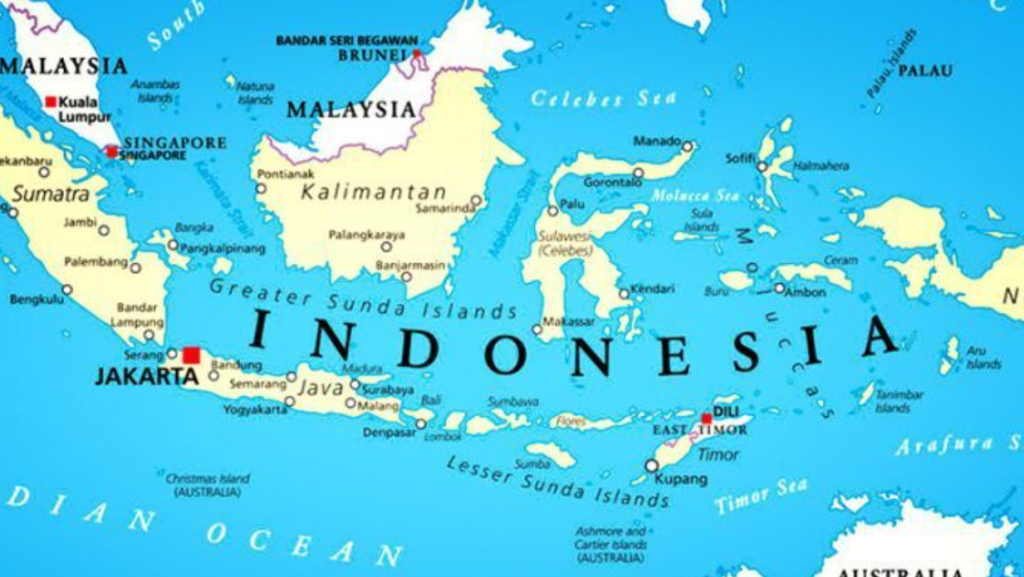
Indonesia, a sprawling archipelago in Southeast Asia, is a land of vibrant cultures, stunning landscapes, and a history that dates back millennia. From ancient civilizations to colonial influences and a dynamic modern society, Indonesia’s journey through time has shaped its diverse culture, traditions, and way of life. In this article, we delve into the captivating history and current facets of Indonesian life, offering a comprehensive view of this enchanting nation.
A Glimpse into Ancient Roots
The history of Indonesia is a mosaic of ancient empires, trade routes, and cultural crossroads. The archipelago’s strategic location made it a melting pot of cultures, drawing influences from Indian, Chinese, Arab, and European civilizations. One of the earliest kingdoms was the Srivijaya Empire, a maritime power that dominated trade routes and fostered the spread of Hindu and Buddhist religions. The Borobudur and Prambanan temples stand as awe-inspiring testaments to this era.
Colonial Influences and Independence Struggle
The colonial era significantly impacted Indonesia’s trajectory. The Dutch East India Company established control over the archipelago, exploiting its resources and creating deep-rooted socio-economic disparities. The Indonesian struggle for independence, led by figures like Sukarno and Hatta, culminated in 1945 with the proclamation of the Republic of Indonesia. However, it wasn’t until 1949 that full independence was recognized, marking a pivotal moment in the nation’s history.
Cultural Diversity and Traditions
Indonesia’s cultural diversity is a tapestry woven from over 300 ethnic groups and languages. Each region boasts its own traditions, art forms, and culinary delights. The iconic batik textiles, known for their intricate patterns, hold deep cultural significance. The traditional puppetry of wayang kulit and the enchanting kebaya attire reflect the country’s artistic soul. Festivals like Galungan and Nyepi in Bali showcase the deep-rooted spirituality of the Indonesian people.
Modern Indonesian Society
Fast forward to the present, and Indonesia stands as a thriving democratic nation with a booming economy. Urbanization has led to the rise of bustling cities like Jakarta, Surabaya, and Bandung, where modern skyscrapers coexist with historical landmarks. The country’s economy is fueled by a diverse range of industries, including agriculture, manufacturing, tourism, and technology.
Indonesian Cuisine: A Gastronomic Journey
Indonesian cuisine is a blend of flavors, influenced by its history and diverse cultural heritage. The aromatic rendang, a slow-cooked beef dish, and the fiery rendang, a spicy noodle delight, are just a glimpse of the rich culinary offerings. The use of aromatic herbs and spices like lemongrass, turmeric, and galangal adds depth to Indonesian dishes, making them a treat for the senses.
Challenges and Opportunities
While Indonesia has made impressive strides in its development journey, it also faces challenges. Rapid urbanization has led to environmental concerns, with issues like deforestation, pollution, and habitat loss needing attention. Additionally, addressing socio-economic disparities remains a priority to ensure equitable growth across regions.
Tourism and Natural Beauty
Indonesia’s stunning landscapes are a treasure trove for nature enthusiasts and adventurers alike. The archipelago is home to lush rainforests, pristine beaches, active volcanoes, and diverse marine life. Bali’s idyllic beaches draw tourists seeking relaxation, while Komodo Island beckons with the opportunity to encounter the famous Komodo dragons. The cultural allure of places like Yogyakarta, with its ancient temples and traditional arts, adds depth to the tourist experience.
Religious Harmony and Spirituality
Religious harmony is a hallmark of Indonesian society. The nation boasts a unique blend of religions, including Islam, Christianity, Hinduism, Buddhism, and indigenous belief systems. The Pancasila, Indonesia’s foundational philosophy, emphasizes unity amid diversity. The Istiqlal Mosque in Jakarta, one of the largest mosques in the world, stands adjacent to the Jakarta Cathedral, reflecting the coexistence of faiths.
Education and Innovation
Indonesia’s commitment to education is evident in its growing number of universities and research institutions. As technology and innovation take center stage, Indonesia is making strides in various fields, including information technology, renewable energy, and sustainable agriculture. This focus on education and innovation is pivotal for the nation’s progress on the global stage.
Environmental Conservation
Recognizing the importance of environmental conservation, Indonesia has taken steps to address ecological concerns. Efforts to combat deforestation, protect endangered species, and promote sustainable practices are underway. Initiatives like the Heart of Borneo project, which seeks to conserve one of the world’s most biologically diverse areas, demonstrate Indonesia’s commitment to preserving its natural heritage.
Cultural Resilience in the Modern Era
Amid modernization, Indonesia continues to celebrate its cultural heritage. Traditional dance performances, gamelan music, and batik workshops provide a window into the past while ensuring these art forms thrive in the present. Cultural preservation efforts play a crucial role in maintaining the nation’s identity as it navigates the complexities of a globalized world.
Indonesia’s history is a story of resilience, adaptation, and transformation. From its ancient civilizations to its struggle for independence and its current status as a diverse and thriving nation, Indonesia’s journey is a testament to the human spirit’s ability to overcome challenges and embrace progress. As the nation moves forward, it does so with a deep appreciation for its rich history, a commitment to inclusivity, and a determination to create a brighter future for its people. With its captivating blend of tradition and modernity, Indonesia continues to captivate the world’s imagination and stand as a symbol of cultural richness and resilience.